The Importance of White Space in Web Design
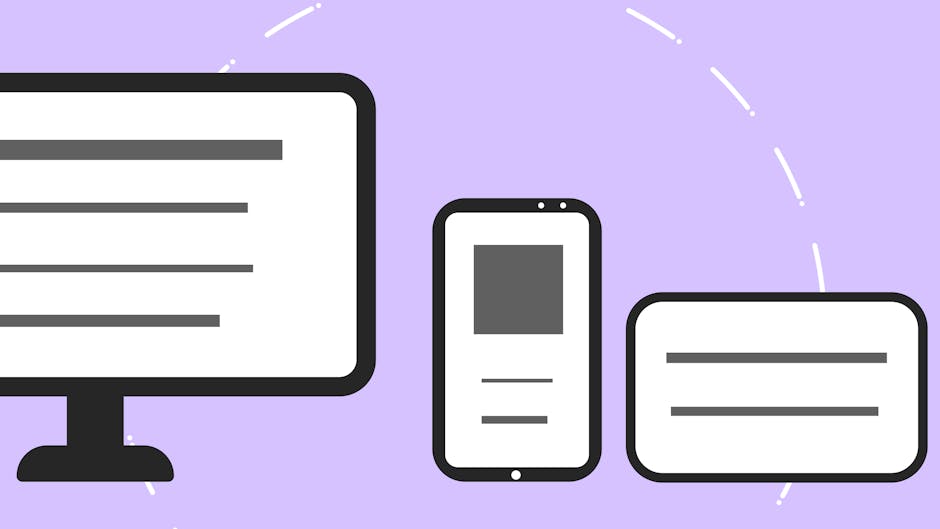
One of the most common mistakes in web design is cramming too much content into every available pixel. Designers and business owners often feel compelled to fill every gap, but white space—or negative space—is actually one of your most valuable design tools.
White space creates visual breathing room. It reduces cognitive load, making it easier for visitors to scan and understand your content. When elements have room around them, they become more prominent and memorable. Your most important message stands out because it's not fighting for attention with everything else on the page.
Benefits of strategic white space:
- Improves readability and reduces eye strain
- Enhances focus on key elements and calls-to-action
- Creates a sense of sophistication and elegance
- Speeds up page load perception
- Makes navigation more intuitive
Consider luxury brands—they understand white space intimately. Their websites and printed materials feel premium precisely because they don't overcrowd the design. Every element has purpose and space to exist.
White space doesn't mean your page looks empty. It means being intentional about what you include and how you arrange it. A well-designed page with generous white space actually feels more complete than one packed with content.
Mobile design has reinforced the importance of white space. On smaller screens, content naturally spreads out vertically, and users appreciate the clarity this brings. What works on mobile often translates beautifully to desktop when white space is respected.
When designing or reviewing your website, ask yourself: Does every element earn its place? Could any content be removed? Is there enough space between sections? The answers will guide you toward cleaner, more effective design.
Start implementing white space gradually. You may be surprised how much more professional and user-friendly your digital presence becomes.